
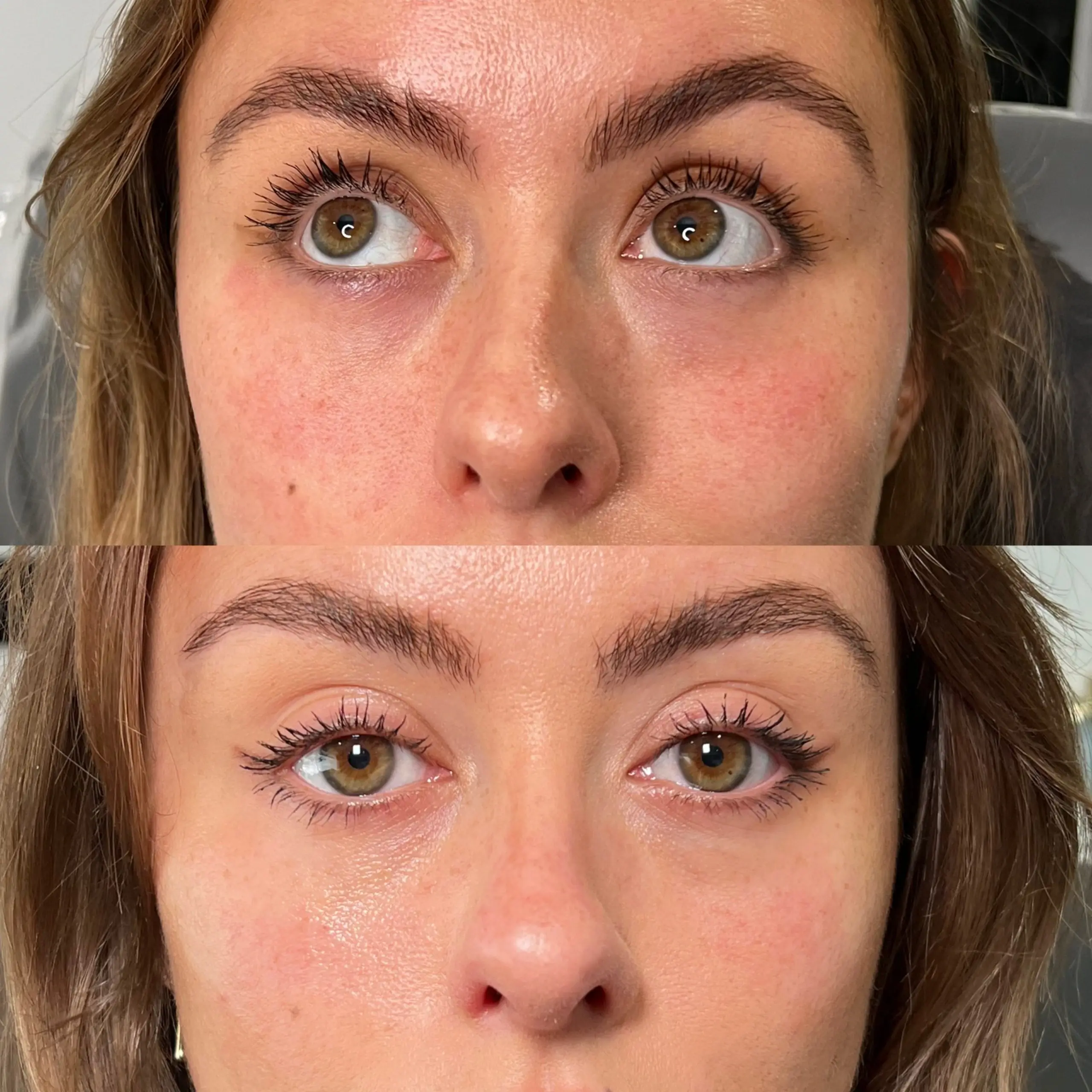
When it comes to improving skin quality, two injectable treatments continue to dominate the aesthetics industry – Polynucleotides and Profhilo. Both are designed to rejuvenate the skin without adding volume, but they work in very different ways and are best suited to different concerns.
If you’re wondering whether Polynucleotides or Profhilo is the right treatment for you, this guide explains the key differences, benefits and who each treatment is best suited for.
What Are Polynucleotides?
Polynucleotides are one of the most advanced regenerative treatments available in aesthetic medicine. Derived from highly purified DNA fragments, they work by stimulating your skin’s natural repair processes rather than simply masking the signs of ageing.
Instead of filling wrinkles or adding hydration alone, Polynucleotides encourage tissue regeneration, improve skin quality and support collagen and elastin production.
They are particularly effective for treating:
- Fine lines and wrinkles
- Under-eye dark circles
- Acne scarring
- Skin laxity
- Sun damaged skin
- Poor skin texture
- Ageing hands
- Neck rejuvenation
The result is healthier, stronger and more youthful-looking skin that continues to improve over time.
What Is Profhilo?
Profhilo is an injectable treatment made from one of the highest concentrations of pure hyaluronic acid available. Rather than acting as a dermal filler, it spreads beneath the skin to deeply hydrate the tissues and improve skin firmness.
Often referred to as an injectable moisturiser, Profhilo delivers intense hydration while stimulating collagen and elastin production to create smoother, firmer and more radiant skin.
It is particularly popular for clients looking to achieve:
- Deep skin hydration
- Improved skin texture
- Firmer skin
- A healthy glow
- The popular “glass skin” appearance
Polynucleotides vs Profhilo: What’s the Difference?
Although both treatments improve skin quality, they have very different goals.
| Profhilo | Polynucleotides | |
|---|---|---|
| Purpose | Skin hydration and firmness improvement | Regenerative, rejuvenating |
| Ingredients | Hyaluronic acid (HA) | DNA fragments |
| Benefits | Hydration, firmness | Cell turnover, skin repair |
| Technique/Method | Injection | Injection or microneedled |
| Treatment areas | Face, neck, décolletage | Face, neck, décolletage, eye area, abdomen, arms, knees |
| Treatment sessions | 2 initial sessions, 4-week interval | 3 initial sessions, 2 weeks apart; follow-ups every 6 months |
| Downtime | Minimal | Minimal |
| Price | £200 | £235-£250 |
Polynucleotides vs Profhilo: Which Treatment Lasts Longer?
One of the most common questions we receive is how long each treatment lasts.
Polynucleotides typically produce results lasting between 6 and 12 months, depending on your skin condition and maintenance programme.
Profhilo generally lasts around 6 months, with maintenance sessions recommended twice a year to preserve results.
Treatment Areas
Polynucleotides
One of the biggest advantages of Polynucleotides is their versatility.
Treatment areas include:
- Face
- Under-eyes
- Neck
- Décolletage
- Hands
- Elbows
- Acne scars
- Surgical scars
Profhilo
Profhilo is commonly used on:
- Face
- Neck
- Décolletage
Pain and Downtime
Both treatments involve very little downtime, making them popular lunchtime procedures.
- Polynucleotides: Most patients describe the treatment as causing only minimal discomfort. Mild swelling or bruising can occur, but normal daily activities can usually be resumed immediately.
- Profhilo: Profhilo can cause a temporary stinging sensation during injection due to the concentration of hyaluronic acid. As with Polynucleotides, mild swelling and bruising are common and generally settle within a few days.
For both treatments, we recommend allowing around three days for any visible swelling to subside fully.
Which Treatment Is Best for My Skin Concerns?
Choose Polynucleotides if you want to improve:
- Fine lines and wrinkles
- Under-eye dark circles
- Acne scars
- Skin damage
- Loose or ageing skin
- Overall skin regeneration
Choose Profhilo if your main concern is:
- Dry skin
- Dehydration
- Dull complexion
- Loss of radiance
- Glass skin
- Mild skin laxity
How Many Treatments Will I Need?
Polynucleotides: For optimal results, we usually recommend:
- 3 to 4 treatment sessions
- Treatments spaced 2 to 4 weeks apart
Profhilo: A standard course consists of:
- 2 treatment sessions
- Treatments spaced 4 weeks apart
Your practitioner will advise the most suitable treatment plan during your consultation.
Cost of Polynucleotides vs Profhilo
Treatment costs vary depending on the area being treated and your personalised treatment plan.
Current guide prices at Faces By Bae are:
- Polynucleotides: £235 to £250 per session
- Profhilo: From £200 per session
Why Choose Faces By Bae?
At Faces By Bae, every skin journey begins with a comprehensive consultation. Rather than recommending a treatment based on trends, we assess your skin quality, concerns and long-term goals before creating a bespoke treatment plan.
Our experienced practitioners will advise whether Polynucleotides, Profhilo or a combination of treatments will deliver the best possible outcome for your skin.